
Our Historic Home
The Lumière story at 180 Flynn Avenue
Before it became a place to share beer and food, our Burlington home helped make photographic history. Built in the early 1900s for the Lumière North American Company, this factory connects Vermont to Auguste and Louis Lumière, pioneers of cinema and color photography.
A Factory for Images
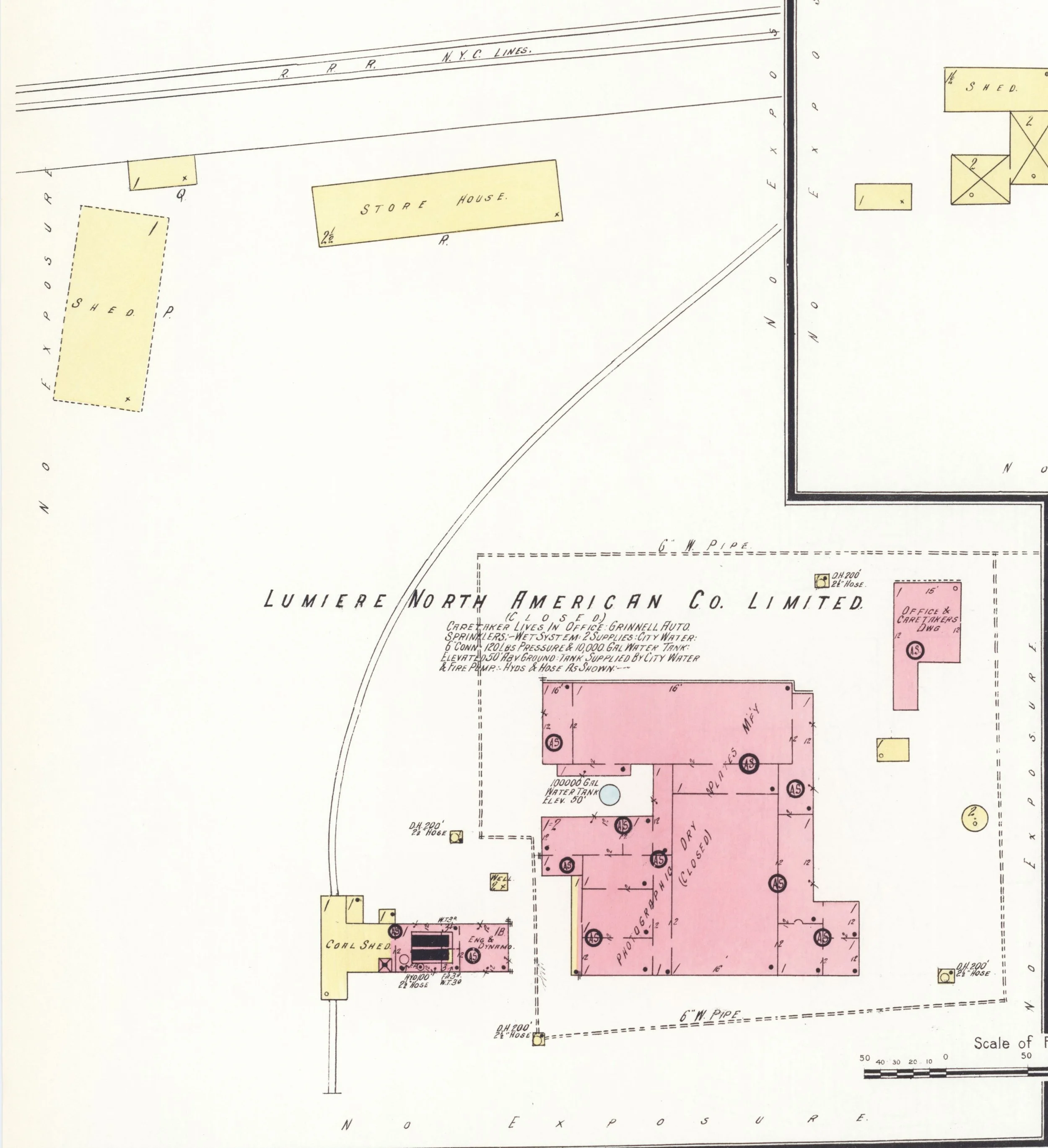
Hugo’s research dates construction to 1901–02. The building was designed for photographic manufacturing, with lightproof rooms, filtered air and carefully controlled conditions. Its surviving structure offers a tangible connection to Burlington’s industrial past and to the Lumière family’s North American operation.
From Howard Park to Flynn Avenue
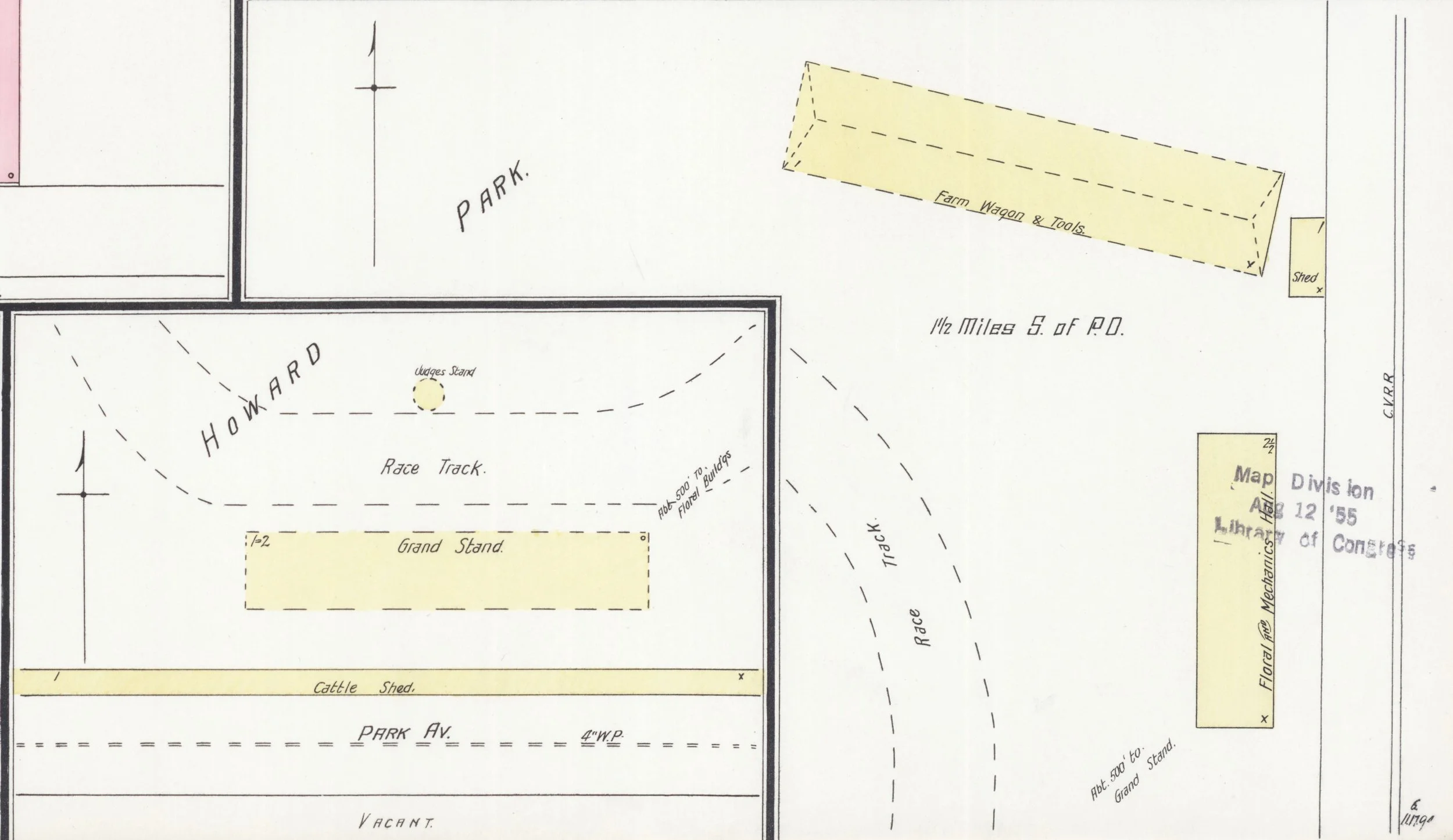
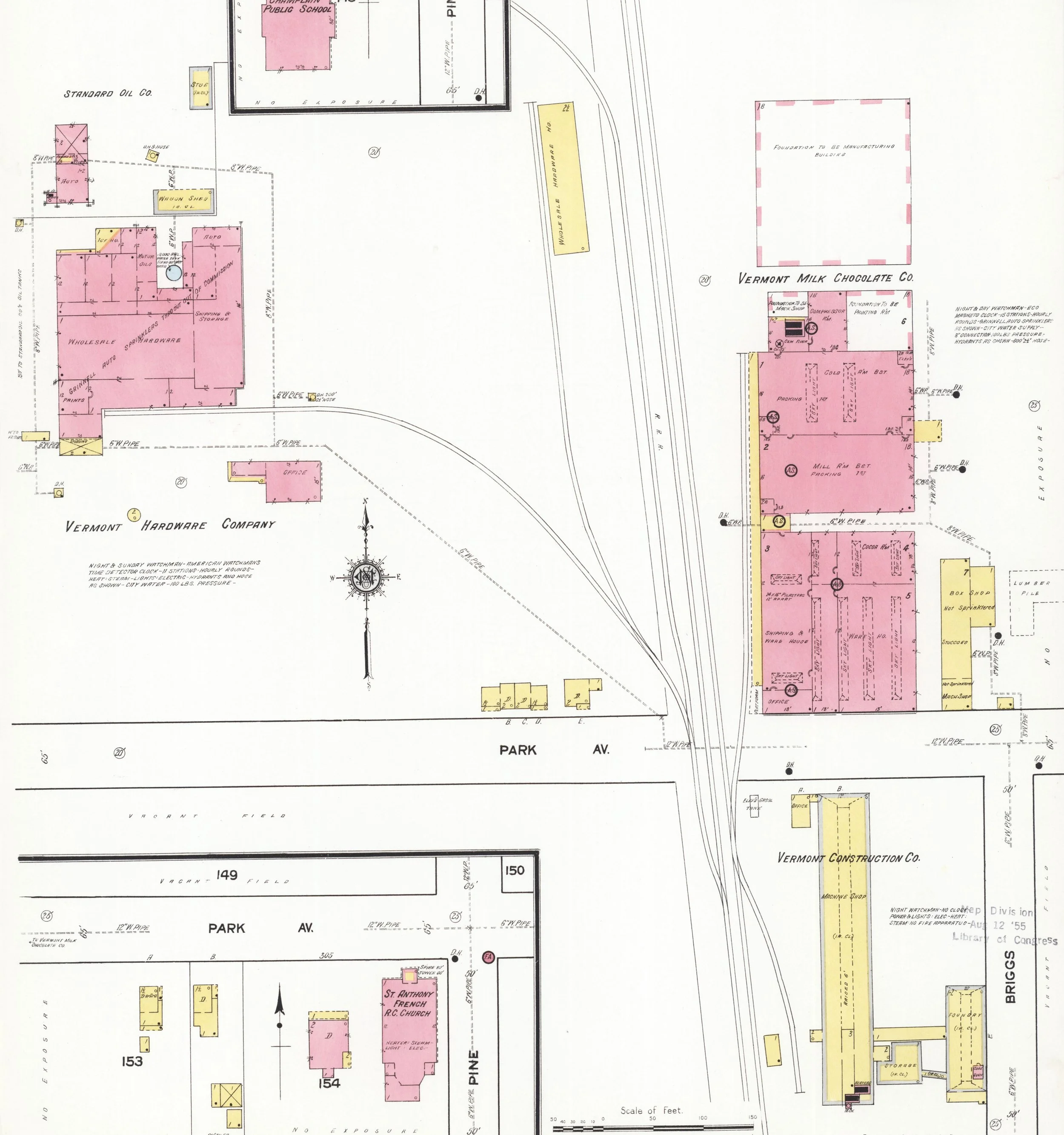
Before the Lumière factory, this site was part of Howard Park, a gathering place for horse races and agricultural exhibitions. After photographic manufacturing ended, John J. Flynn bought the property in 1914, and Vermont Hardware moved into the former factory buildings in 1916. Nearby, separate factories produced structural steel and milk chocolate, helping shape the industrial neighborhood we call home.
Read Frances Gubler’s “Flynn Avenue Factories: From Film to Chocolate.”
Vermont Brickwork
Local craftsmanship was part of that story. Seven Days, reporting on Hugo’s research, identifies Drury Brick and Tile as the company responsible for the factory’s brickwork.
Explore the factory’s history in Seven Days.
For co-founder Joe Lemnah, the brickwork carries a personal connection: he remembers living beside the old brick factory in his hometown of Essex Junction.
The Neighborhood Through Maps
These Sanborn fire insurance map details trace the site from Howard Park to the Lumière factory and the industrial neighborhood that followed.
1894 · Howard Park
1912 · The Lumière factory
1919 · An industrial neighborhood
Light, Color & Film
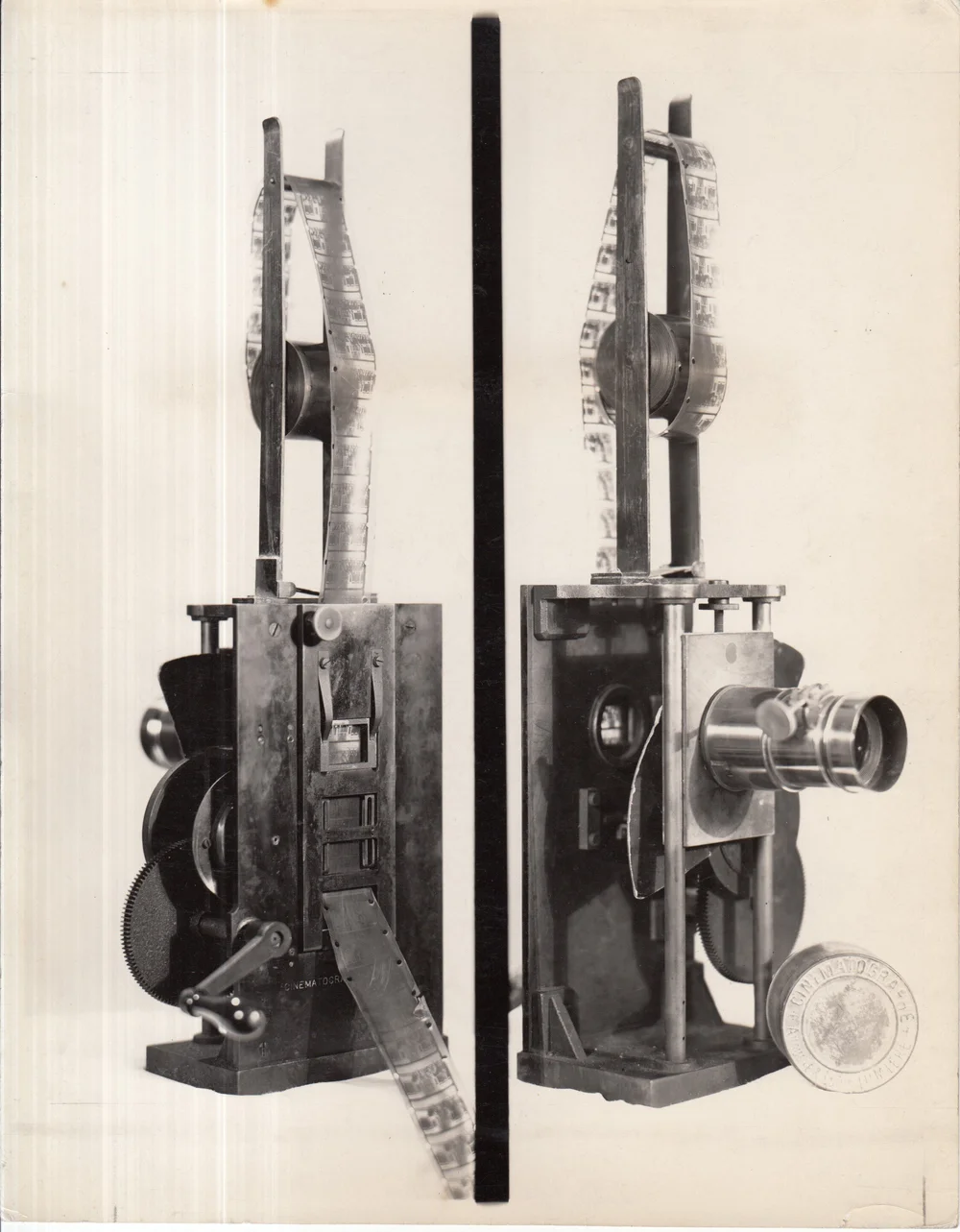
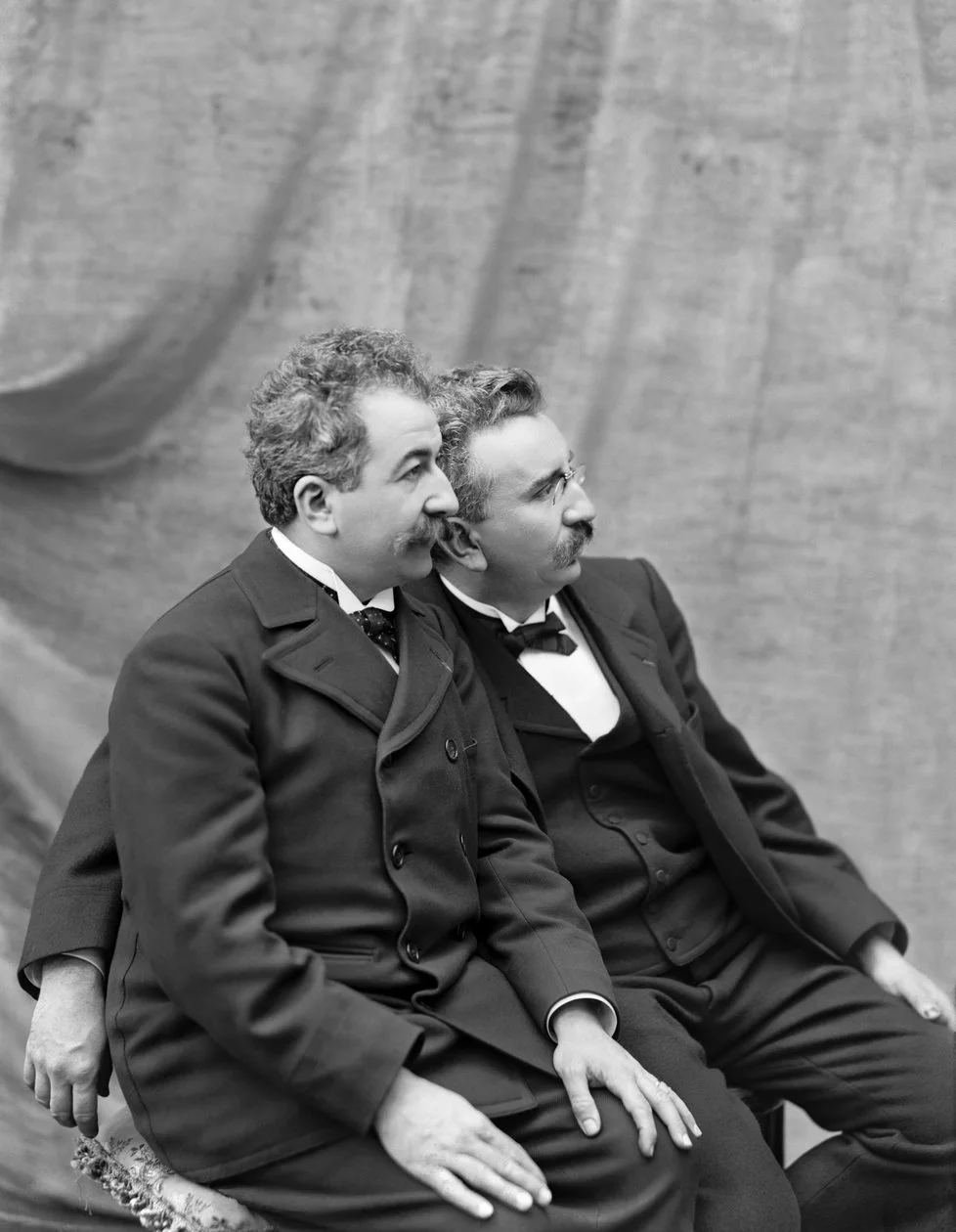
The Lumières helped shape early cinema through their Cinématographe and films in the 1890s.
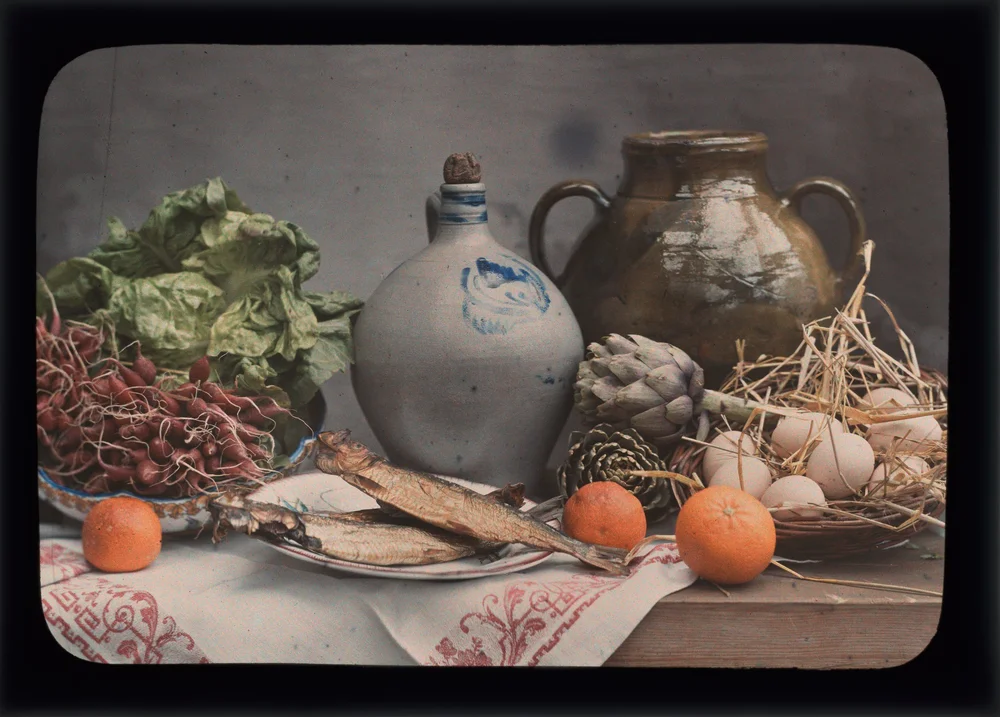
Their Autochrome process, patented in 1903 and commercially introduced in 1907, made color photography more practical. It used a mosaic of dyed starch grains on glass plates to record color.
A Film Pioneer in Burlington
One of cinema’s early cameramen also called Burlington home. In his 2026 research, Hugo Martínez Cazón traces the Vermont years of Francisque Doublier, who helped take the Lumières’ moving pictures around the world before spending nearly a decade at their Burlington operation.
Doublier arrived in the United States with his wife, Louise, in October 1903. The family first lived on Pine Street and later moved into the company’s administrative building at Lumière Park. Their sons George and Marcel were born in Burlington. City directories listed Doublier as a factory foreman, a modest title for someone whose career connected the earliest days of cinema with America’s growing film industry.
After his Burlington years, Doublier worked with studios in the Fort Lee, New Jersey, filmmaking community, including Alice Guy Blaché’s Solax. His story adds a human face to this factory’s place in photographic history.
There is still more to uncover. As Hugo notes, footage filmed by Doublier during his Burlington years has not yet been identified.
Read Hugo’s 2026 article, “Vermont’s First Film Cameraman, Francisque Doublier.”
Hugo Martínez Cazón, Vermont History 94 (2026), pp. 149–162.
A Living Connection
Café Lumière
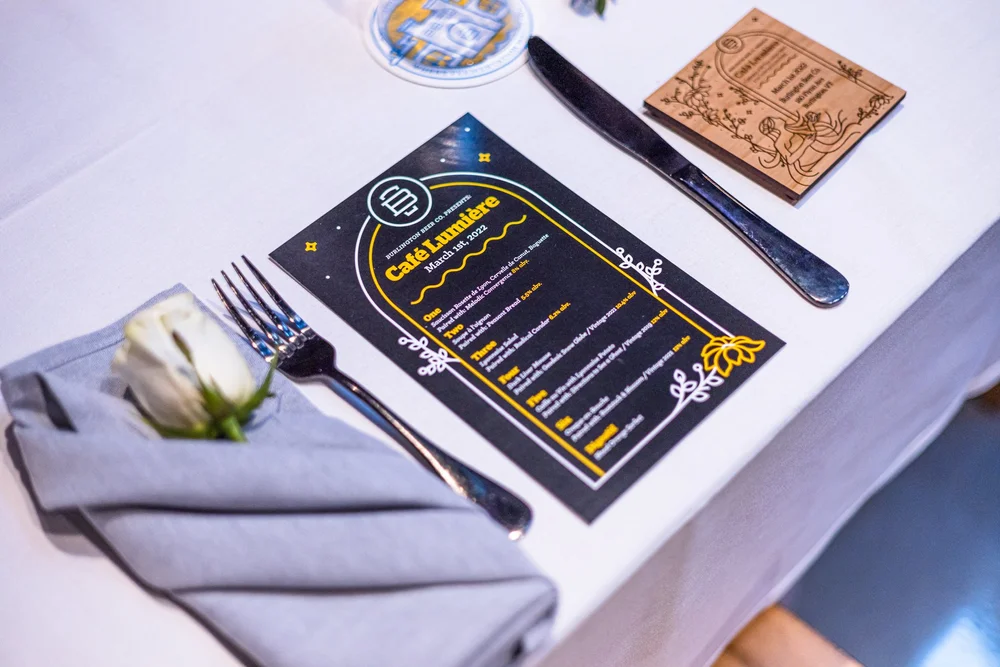
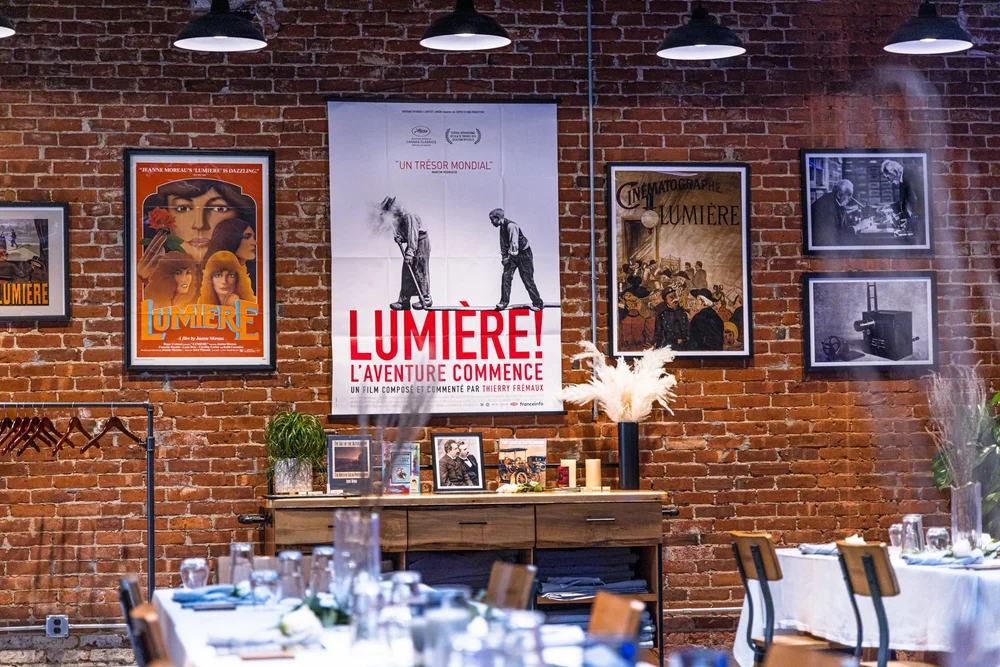
In March 2022, we celebrated this history with Café Lumière, a beer dinner inspired by Lyon, France. The evening brought together six courses, Burlington Beer Co. pairings, stories about the Lumières and live music from Trio Gusto.
Made Here Film Festival
Lumière Hall also welcomes contemporary filmmaking through the Made Here Film Festival. Presented by the Vermont International Film Festival in partnership with Vermont Public, the festival celebrates filmmakers from New England and Québec. Its 2026 edition took place here April 23–26.
Visit the Building
Today, the old factory is home to our Flynn Avenue taproom, kitchen and gathering spaces. Come spend some time in a building with a remarkable story.