SUSTAINABILITY
Care beyond the beer
Some of the most important work at a brewery never makes it onto a beer label. Behind our Williston brewery, years of planning, engineering and hands-on work have brought a new wastewater pretreatment system to life.
This is a story about our team sticking with a big project, and the engineers, contractors and local partners helping us see it through. It is part of how we care for the place where we brew.
More than 10,000 gallons treated
November 16, 2026. Our system is now receiving brewery wastewater and sending pretreated water onward to the municipal treatment system. More than 10,000 gallons have been treated during start-up: a meaningful new chapter in a project years in the making.
Project status note
Final adjustments and formal performance sampling are still ahead. This is an operating milestone, not yet a verified measure of treatment performance or completion of certification.
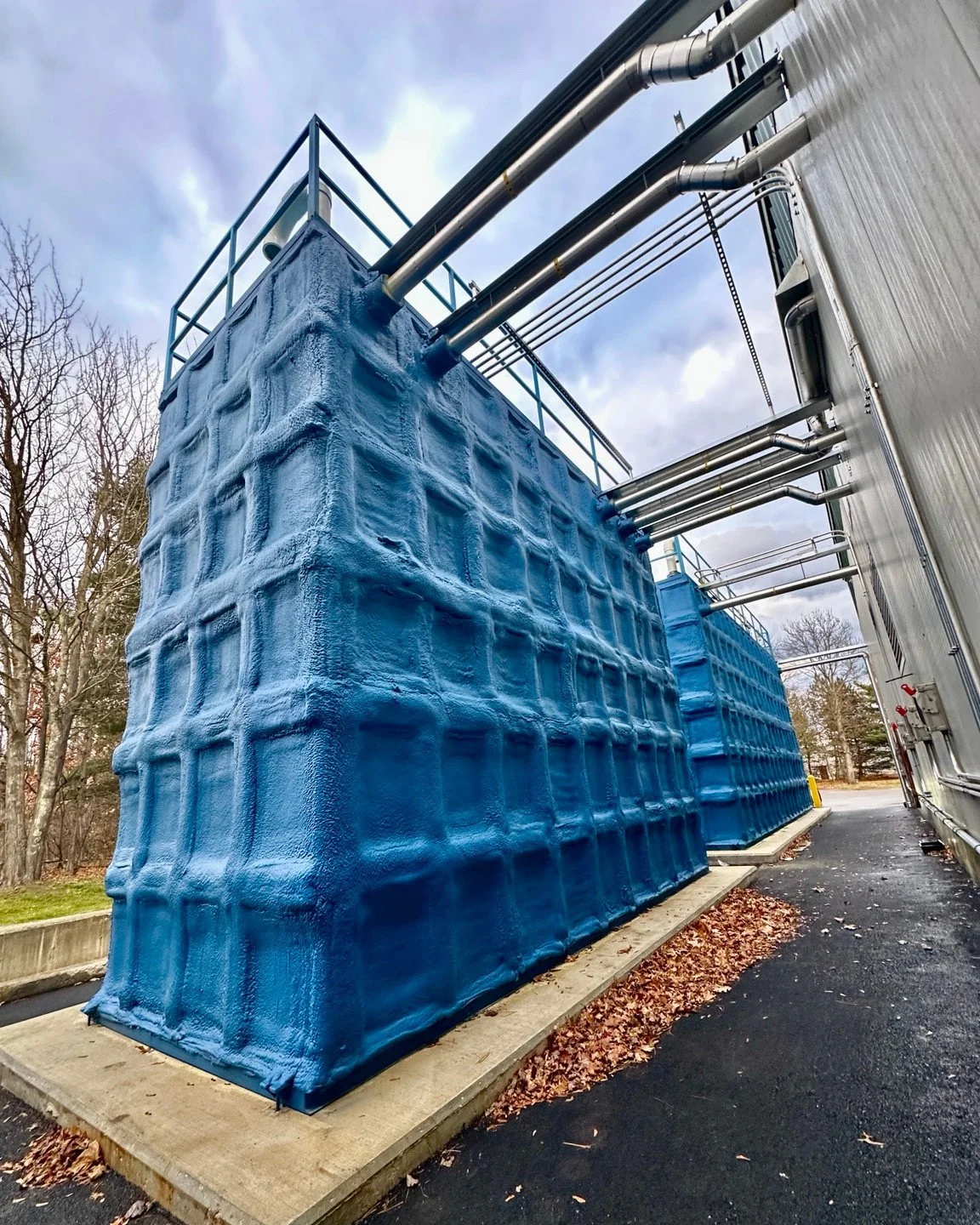
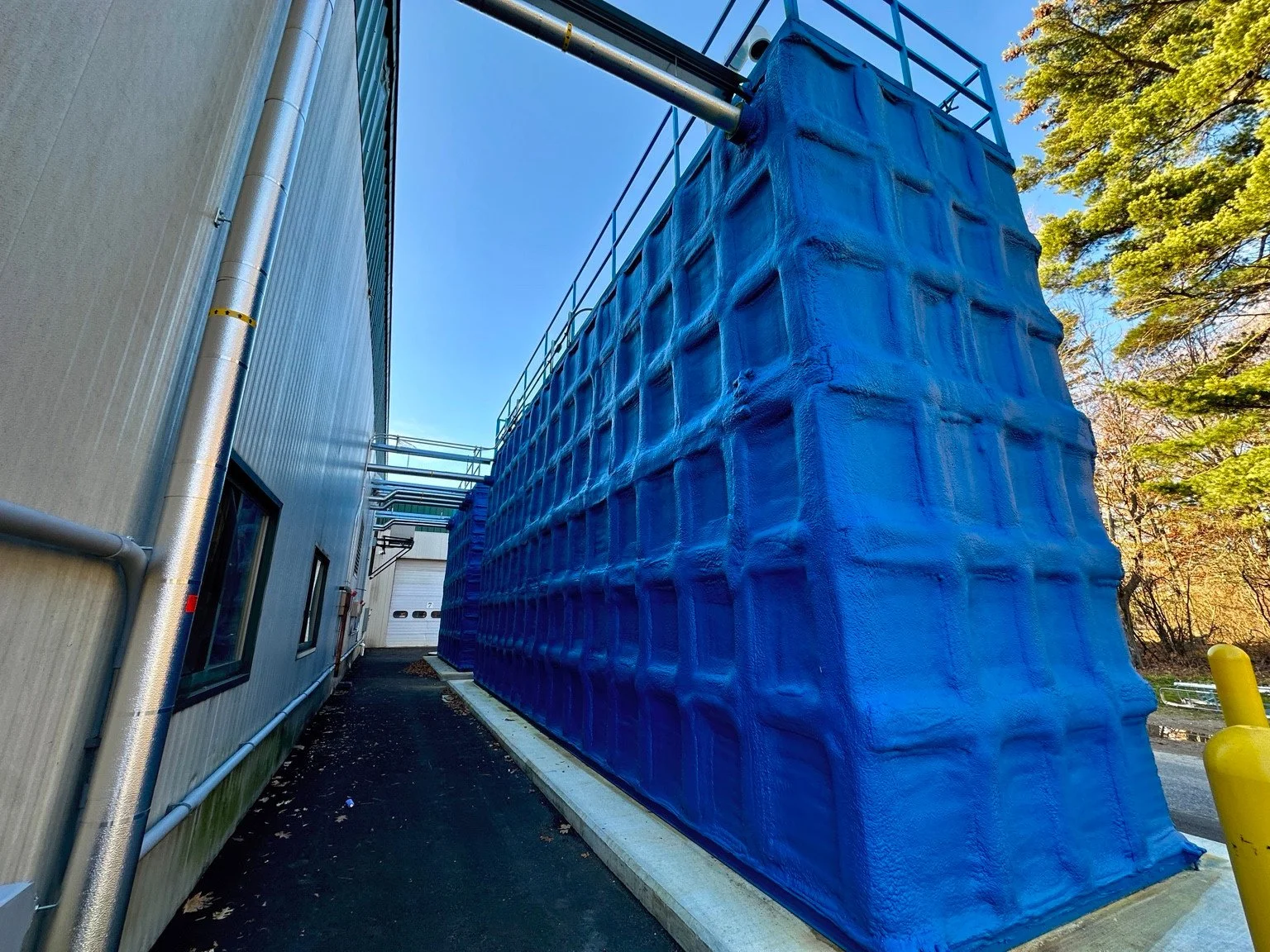
Exterior tanks and connecting pipework at our Williston brewery.
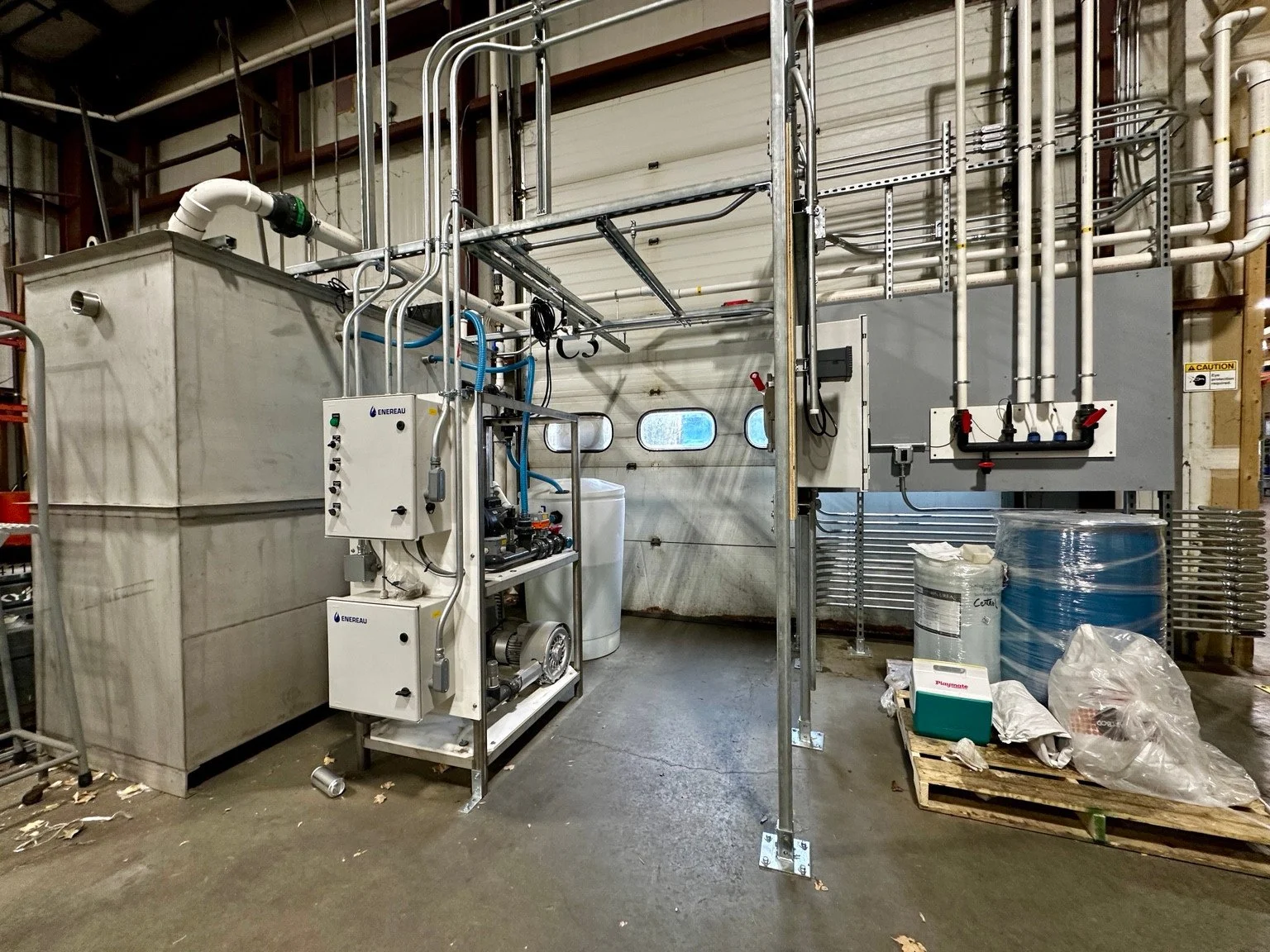
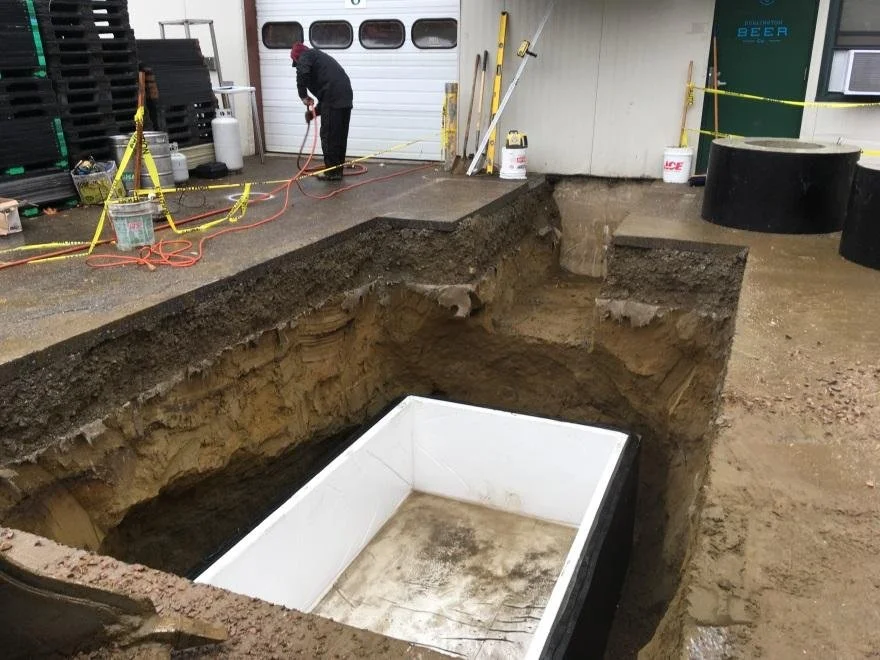
October 24, 2018: Installing the sidestream collection tank at our Williston brewery.
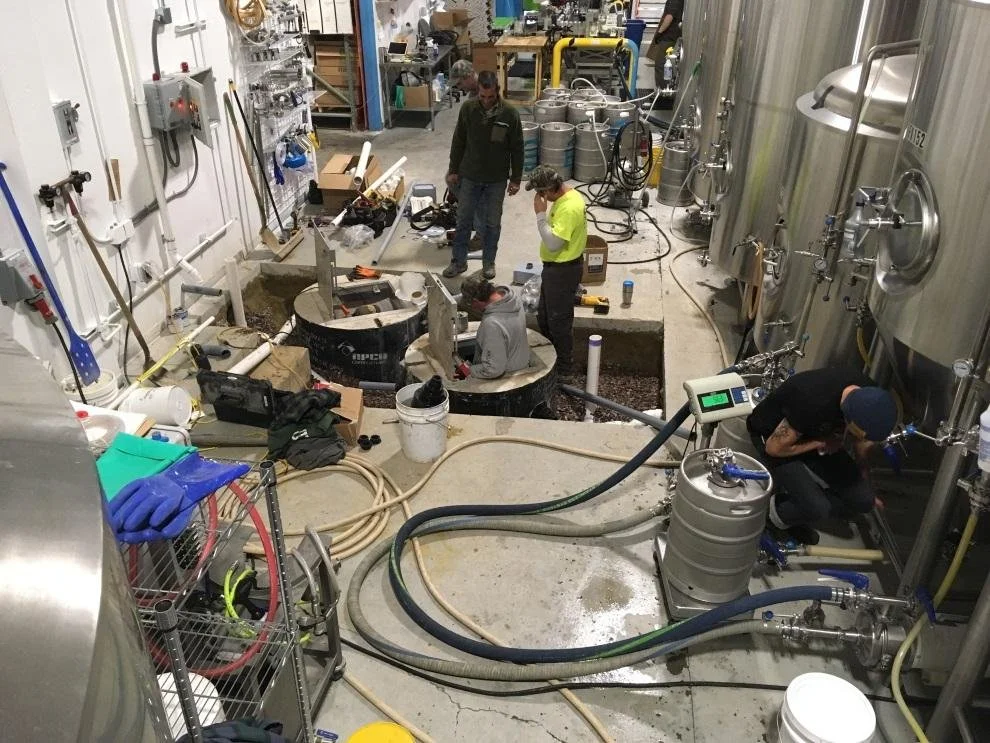
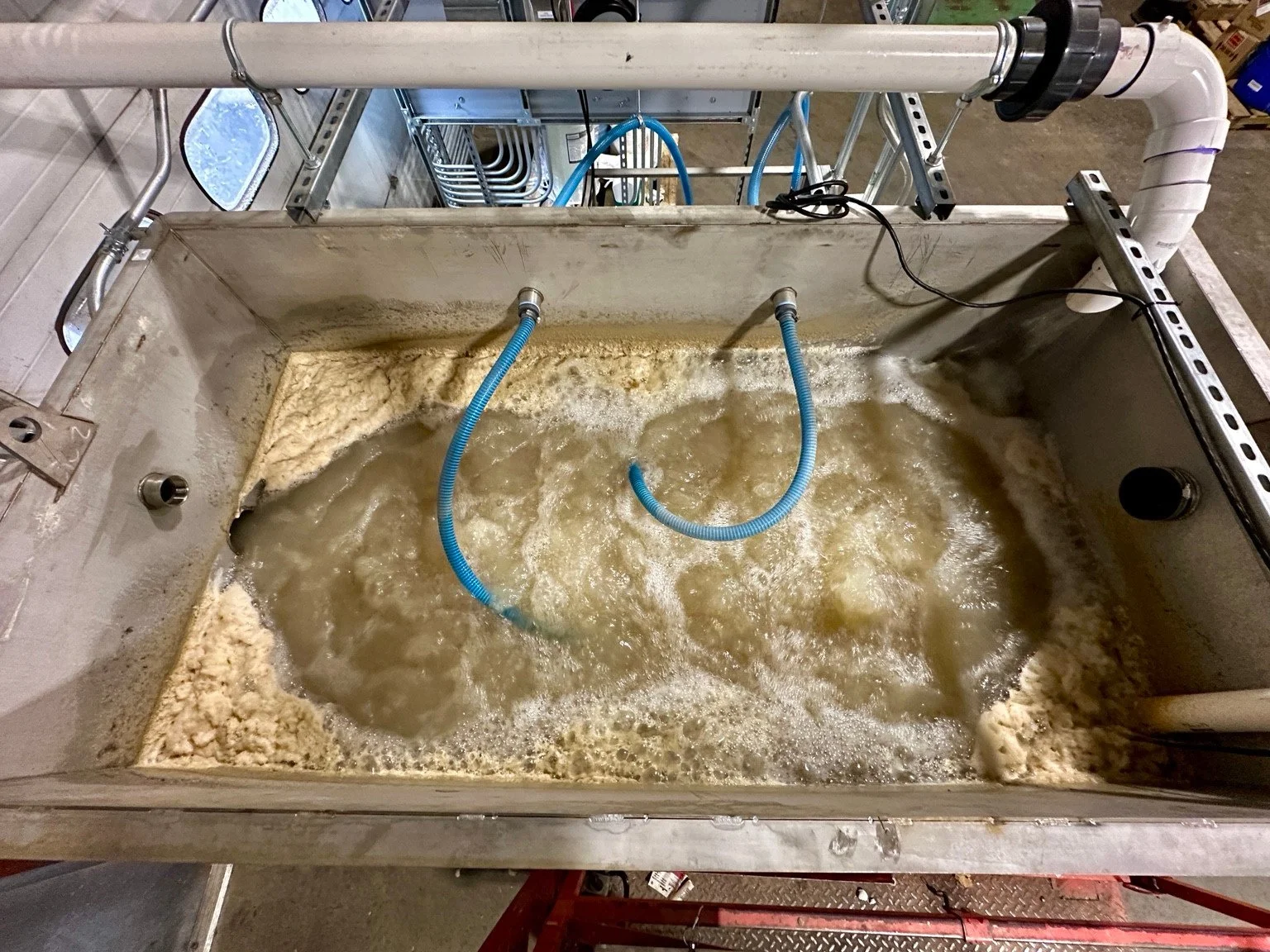
November 9, 2018: Installation work inside our Williston brewery.
Years in the making
The tanks are the visible part. Behind them is a much longer story of planning, problem-solving and people working together.
2018 · Building the foundation
Our first high-strength wastewater sidestream collection project was installed and operating by December. It created a separate path for concentrated brewing waste, laying groundwork for what came next.
2021–2022 · Planning the next step
Our team explored expanded collection capacity and worked through plans for a membrane bioreactor. Equipment layouts and engineering discussions turned a long-term need into a more detailed path forward.
2023 · Expanding collection
New sidestream tanks were installed by May, building on the collection infrastructure already in place.
2024–2025 · From plans to detailed design
Design agreements moved forward in 2024. By December 2025, the engineering team had delivered the completed Basis of Design, design drawings and operations plan.
Spring and summer 2026 · Bringing it together on site
Construction coordination was underway in May. By June, equipment was being organized and positioned at the brewery, bringing the drawings into the real world.
November 2026 · Water moving through the system
Start-up brought water moving between tanks and pretreated water flowing to the municipal system. By November 16, more than 10,000 gallons had been treated, with final adjustments and formal performance sampling still to come.
This work has brought our brewery team together with engineers, equipment specialists, contractors, operators and municipal partners over multiple years. We are grateful for the persistence and practical know-how that have carried it this far.
Wastewater treatment at Williston
Our new membrane bioreactor, or MBR, is designed to reduce the organic load in brewery wastewater before it reaches the municipal treatment system. It brings together biological treatment and membrane filtration.
How the system is designed to work
1. Collect and balance. Brewery wastewater is screened and balanced before treatment.
2. Biological treatment. Microorganisms use oxygen to break down organic material.
3. Membrane filtration. Membranes separate water from remaining solids.
4. Municipal treatment. The pretreated water continues through the sewer for municipal treatment.
THE MEMBRANE BIOREACTOR · MBR
Four stages. One connected system.
Brewery wastewater is screened and balanced before it moves into treatment.
A steady startWith oxygen, microorganisms break down organic material in the wastewater.
Biology does the workWater passes through membranes while remaining solids are held back.
Water moves throughThe pretreated water continues through the sewer for municipal treatment.
The next part of the journeyReady when you are.
Press play, or choose any stage to explore.
Keeping useful materials in use
High-strength yeast
We continue to keep high-strength yeast in a separate stream for use as fertilizer or feedstock for digesters.
Spent grain
After brewing, our spent grain is collected by a local hauler and sent to local farms for animal feed.